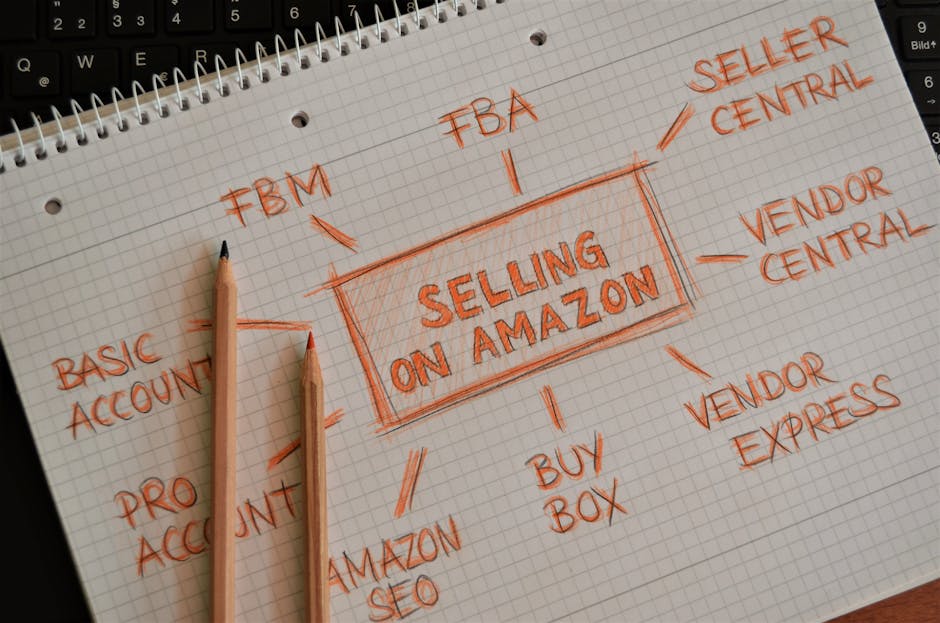
The world of e-commerce has evolved rapidly, presenting a myriad of opportunities for budding entrepreneurs. Among these is Amazon dropshipping, a business model that offers a hassle-free approach to selling products. Whether you're a novice or a seasoned seller, understanding the basics of Amazon dropshipping can open doors to potential profits without the burden of inventory management. Here’s a comprehensive guide to get you started on your dropshipping journey.
What Is Amazon Dropshipping?
Dropshipping is a retail fulfillment method where a store doesn’t keep the products it sells in stock. Instead, when you sell a product, you purchase the item from a third party and have it shipped directly to the customer. As a result, the seller doesn’t handle the product directly. On Amazon, this means setting up your virtual storefront, choosing which products to sell, and then managing transactions and customer service efficiently.
How to Set Up a Dropshipping Business on Amazon
Embarking on Amazon dropshipping begins with establishing an Amazon Seller account. Choose the "Individual" or "Professional" plan based on your business size and sales expectations. Once your account is set up, you should select a niche or product category that piques your interest and has sufficient demand. Use Amazon's extensive marketplace data to analyze trends and identify viable products. Remember, setting competitive prices is crucial, as it impacts your product visibility and overall sales performance.
Choosing Reliable Suppliers
The success of your dropshipping business largely hinges on your suppliers. Finding reliable suppliers is paramount to maintain product quality and timely delivery. Popular avenues for sourcing products include platforms like AliExpress, Oberlo, and DHgate. Ensure your suppliers are reputable by checking reviews and conducting test orders. Building a strong relationship with suppliers can also result in better communication and potentially lower costs.
Managing Listings and Customer Expectations
Product listing optimization is crucial in Amazon dropshipping. Use high-quality images and detailed, factual descriptions to make your products appealing to potential buyers. Keywords play a vital role in search visibility, so incorporate relevant search terms judiciously in your titles and descriptions. It's equally important to set reasonable expectations regarding shipping times and returns, which will help avoid negative feedback and maintain high customer satisfaction.
Navigating Amazon’s Dropshipping Policy
Amazon’s dropshipping policy comes with specific guidelines. Importantly, you must acknowledge yourself as the seller of record on all packing slips, invoices, external packaging, and other information that accompanies the product. Additionally, batch processing orders through third-party vendors, without dealing with inventory directly, is acceptable, but you must ensure order confirmation and delivery updates are consistently shared with customers. Breaching these guidelines can lead to account suspension, so adherence is crucial.
Leveraging Marketing Strategies
Even with the perfect product selections, dropping the ball on marketing can hinder your dropshipping venture. Utilize Amazon's advertising tools like Sponsored Products and Headline Search Ads to enhance visibility. Take advantage of social media and influencer marketing to extend your reach beyond Amazon’s ecosystem. Establishing a brand presence can boost customer loyalty and increase repeat purchases, enhancing profitability over time.
Evaluating Success and Adapting
Continuous evaluation is pivotal to lasting success in dropshipping. Monitor your sales analytics using Amazon's Seller Central tools to identify high-performing products and those that underperform. Regularly assess your marketing strategies, supplier performance, and customer feedback. Adaptation is key; the ability to pivot and optimize your approach ensures that your business remains competitive in the ever-shifting e-commerce landscape.
Conclusion
Amazon dropshipping offers a unique opportunity to tap into the thriving e-commerce market without the complexities of inventory management. By grasping the key components—from setting up your seller account and choosing trustworthy suppliers, to optimizing product listings and adhering to Amazon's policies—you can carve out a successful niche in this competitive arena. With strategic planning and continuous adaptation, dropshipping on Amazon can become a lucrative business venture.
