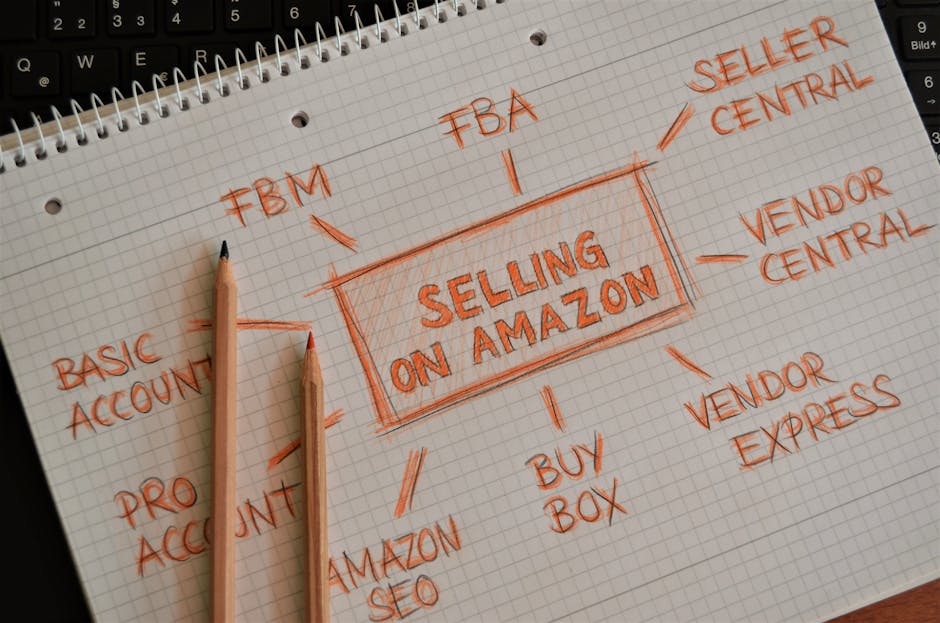
In today’s e-commerce-driven world, Amazon has become a retail giant offering vast opportunities for entrepreneurs. Its enormous customer base and global reach make it an attractive platform for those looking to start their online business. However, diving into Amazon selling requires understanding its nuanced processes and strategies. This article provides a comprehensive introduction to start your journey on Amazon and maximize your success.
Understanding the Amazon Marketplace
Amazon serves as a colossal marketplace where different sellers, ranging from small businesses to large corporations, can sell their products. It's important to distinguish between selling on Amazon and selling to Amazon. With third-party selling, you list your products on the Amazon platform. Alternatively, selling to Amazon involves acting as a supplier, where Amazon buys your products wholesale.
The first step is determining which model aligns with your business goals. For many sellers, starting as a third-party seller provides more control over inventory and pricing strategies.
Setting Up Your Seller Account
To sell on Amazon, you need to create a seller account. Amazon offers two types of accounts: the Individual plan and the Professional plan. The Individual plan is suitable for sellers with a smaller sales volume, while the Professional plan is ideal for those who plan to sell more than 40 items per month. Consider your initial expectations and budget when deciding which account to choose.
After selecting your plan, you’ll need to complete the registration process, which requires providing information on your business details, bank account, and tax information.
Listing Your Products
Once your account is set up, the next step is to list your products. This process involves several key elements:
– **Product Title**: Write a concise yet descriptive title, including key features and relevant keywords, to appeal to potential buyers and enhance searchability.
– **Product Description**: Highlight the benefits and necessary information about your product. Use bullet points for readability and include search engine optimized (SEO) keywords to improve product visibility.
– **Images**: High-quality images are crucial. Provide multiple angles and detailed shots to give customers a comprehensive look at your product.
– **Pricing**: Choose a competitive price, considering your costs, market prices, and potential profit margins. It’s beneficial to research similar products to identify an ideal price range.
Navigating Fulfillment Options
Amazon offers different fulfillment methods: Fulfillment by Amazon (FBA) and Fulfillment by Merchant (FBM). FBA allows Amazon to handle shipping, customer service, and returns for a fee, enabling you to focus on sales. This option is advantageous for sellers who prioritize customer convenience and wish to capitalize on Amazon's Prime program.
On the other hand, FBM allows sellers to fulfill their orders. It offers greater control over shipping methods and costs but requires more hands-on management.
Strategies for Success
Success on Amazon doesn’t come without strategy. Here are a few essential tips:
– **Keyword Optimization**: Utilize SEO best practices to enhance product listings' visibility. Conduct thorough keyword research and incorporate these into your titles, product descriptions, and backend search terms.
– **Customer Reviews**: Encourage satisfied customers to leave positive feedback. Reviews affect your credibility and significantly influence potential buyers’ decisions.
– **Competitive Pricing**: Regularly review your pricing. Consider using repricing tools to adjust prices dynamically based on competition and market trends.
– **Inventory Management**: Keep track of your inventory levels to prevent stockouts and overstocking, both of which can impact your ability to meet demand efficiently.
Conclusion
Embarking on your Amazon selling journey can be rewarding and profitable with the right preparation and mindset. Understanding the marketplace, setting up your account correctly, listing your products effectively, choosing the right fulfillment method, and implementing strategic selling practices are all critical steps toward success. With dedication and continuous learning, you can leverage Amazon's powerful platform to expand your brand and reach a global audience. Aspiring sellers should remain adaptable, informed, and responsive to changes within the e-commerce landscape to thrive in the ever-evolving Amazon ecosystem.
