Life Inside the Amazon: What the World Never Sees Beyond the Headlines
When the Amazon is mentioned in global media, it is usually framed through loss — deforestation rates, fires, climate warnings, and political debates. While these issues are real and urgent, they only tell part of the story.
What often gets ignored is life.
Deep inside the Amazon Rainforest, millions of people wake up each day to routines shaped by rivers, forests, and traditions that have existed long before modern borders. Their lives are not defined by headlines, but by continuity.
The Amazon as a Living Home
For Indigenous communities, the Amazon is not a wilderness to conquer or protect from a distance. It is home. Every tree, river bend, and animal carries meaning, memory, and responsibility.
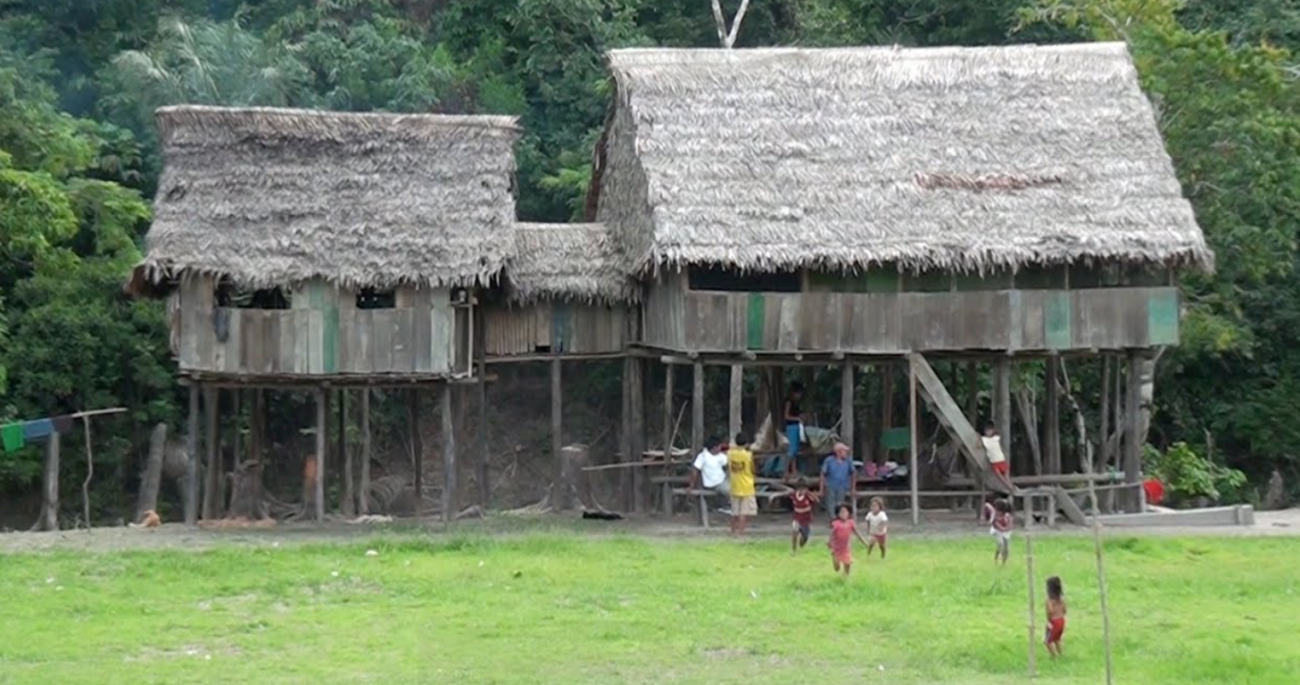
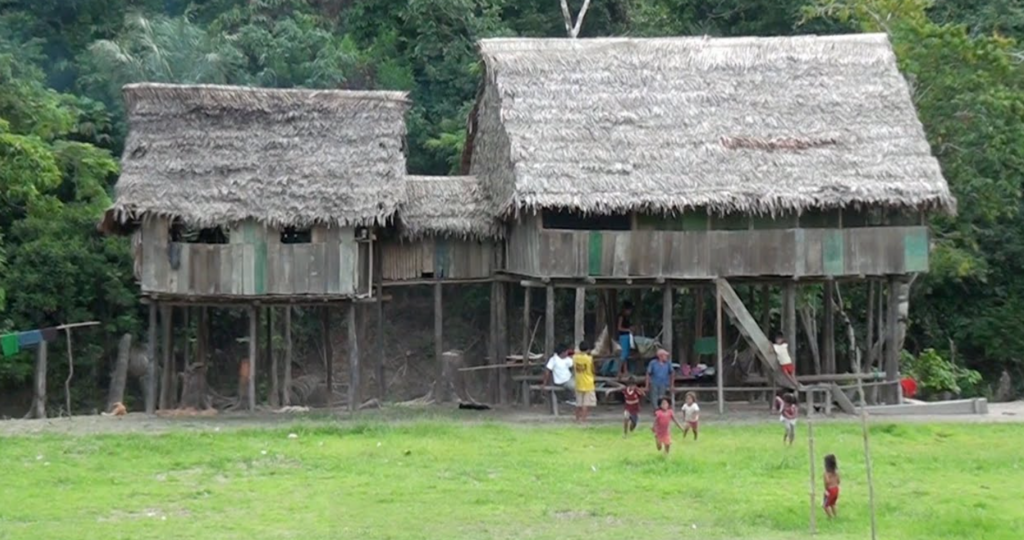
Villages are built in rhythm with the land. Houses are positioned to respect seasonal floods. Food is gathered without exhausting resources. Survival depends on balance, not dominance.
This way of life is not primitive — it is deeply intelligent.
Knowledge Passed Without Books
Much of the knowledge that sustains Amazonian communities is not written down. It is passed through observation, storytelling, and practice.
Children learn:
- Which plants heal and which harm
- How to read animal behavior
- When rivers are safe to cross
- How weather signals change
This knowledge system is adaptive and precise, developed through centuries of interaction with the forest.
Daily Life Beyond Survival
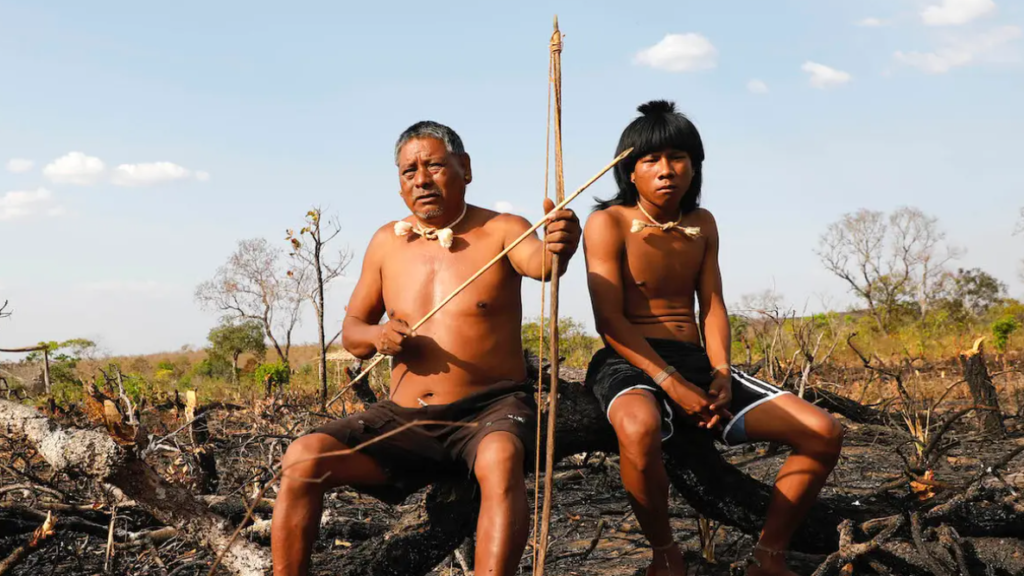
Life in the Amazon is not constant struggle, as often portrayed. There is laughter, celebration, art, and play.
Fishing trips double as social gatherings. Community meals reinforce bonds. Rituals mark seasons, births, and transitions. These moments strengthen identity and resilience.
The forest provides, but community sustains.
A Relationship, Not a Resource
Modern society often views land as something to extract from. In contrast, Amazonian cultures see land as something to belong to.
Trees are not timber first — they are shelter, medicine, and history. Rivers are not transport routes alone — they are spiritual and communal lifelines.
This worldview creates natural limits. Taking more than needed is seen not just as wasteful, but as harmful.
How Modern Pressures Disrupt Balance
Roads, mining, illegal logging, and industrial farming introduce systems that do not follow the forest’s logic. These forces move fast, extract heavily, and leave little space for recovery.
For local communities, this disruption threatens:
- Food security
- Cultural continuity
- Physical safety
- Spiritual practices
The loss is not only environmental. It is cultural erosion.
Why These Stories Matter
Understanding the Amazon only through numbers and satellite images creates emotional distance. Seeing the forest through the lives within it restores urgency and humanity.
Protecting the Amazon is not about freezing it in time. It is about allowing its people to continue living according to systems that already work.
Learning From the Amazon
The world often asks how to save the Amazon. A better question might be: What can the Amazon teach us?
Lessons include:
- Living within limits
- Respecting cycles
- Valuing community over speed
- Understanding that progress without balance collapses
These ideas are not outdated. They are necessary.
A Future That Includes Its People
Any future for the Amazon that ignores its inhabitants is incomplete. Conservation that excludes Indigenous voices fails both ethically and practically.
When communities are empowered, deforestation drops. When they are ignored, destruction accelerates.
The forest and its people survive together — or not at all.
Final Reflection
Beyond statistics and urgency lies a simple truth: the Amazon is alive because people have lived with it, not against it.
If the world wants to protect the Amazon, it must first learn to see it — not as a symbol, but as a shared living story.
