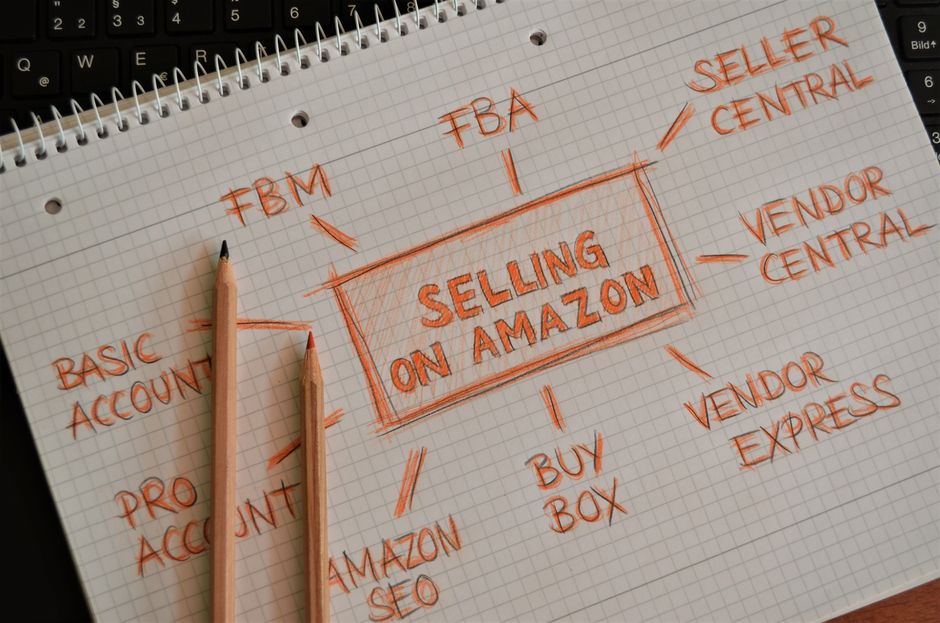
Dropshipping is a buzzword for budding entrepreneurs seeking to capitalize on the vast marketplace of Amazon. With little upfront investment and the allure of passive income, it's no wonder why many gravitate toward this business model. However, while dropshipping might seem straightforward, successful implementation requires a deep understanding of the marketplace and strategic planning.
Understanding the Basics: What is Amazon Dropshipping?
Amazon dropshipping is a retail fulfillment method where the seller does not hold inventory in stock. Instead, when a product is sold, the seller buys the item from a third party—usually a manufacturer or wholesaler—and has it shipped directly to the customer. This model allows sellers to offer a wide array of products to potential buyers without investing heavily in stock.
Advantages of Amazon Dropshipping
One of the most appealing aspects of Amazon dropshipping is the reduced risk due to minimal initial investment. Sellers do not need to purchase inventory upfront, which eliminates concerns about unsold stock. Additionally, this model requires little physical space, making it ideal for anyone looking to start a business with limited resources.
Access to a broad range of products is another notable advantage. Sellers can curate a diverse assortment from different suppliers, catering to various niches without the need to manage complex logistics.
Challenges You Might Face
While Amazon dropshipping offers enticing prospects, it's not without its challenges. One major hurdle is the competition. With barriers to entry being relatively low, many sellers are competing for the same consumer base. To stand out, differentiating your offerings is crucial.
Another challenge is maintaining quality control. Since products are shipped directly from suppliers to customers, sellers often have limited visibility over the product quality. Building a strong relationship with reliable suppliers can alleviate some of these concerns, ensuring a positive experience for your customers.
Setting Up Your Amazon Dropshipping Business
To start your Amazon dropshipping venture, first establish an Amazon seller account. Decide whether you want an individual or professional account based on your anticipated sales volume. Next, conduct thorough market research to identify lucrative niches and products. Use tools such as Amazon's Best Sellers lists and keyword research tools to gauge demand and competition.
Once you have a product list, source reliable suppliers. Platforms such as Alibaba or SaleHoo offer extensive directories of manufacturers and wholesalers. Before committing to any supplier, sample products to ensure quality aligns with your expectations.
Listing Your Products and Optimizing for SEO
Crafting compelling product listings is vital for attracting customers. Use high-quality images and write detailed descriptions that highlight key features and benefits. Ensure that each listing is SEO-optimized to improve visibility in Amazon's search results. Pay attention to the product title, bullet points, and descriptions, integrating relevant keywords naturally.
Additionally, pricing strategies are pivotal. Monitor competitors' pricing and adjust yours to remain competitive, keeping in mind any associated costs like shipping fees and Amazon's referral fees.
Managing Orders and Customer Service
Efficient order management is critical for customer satisfaction and smooth operations. Automate as much of the process as possible using tools like inventory management software or Amazon’s own FBA program, which can significantly reduce the burden of logistics on your end.
Prioritize excellent customer service by promptly addressing inquiries and resolving issues. Build a reputation for reliability by ensuring orders are fulfilled accurately and promptly, which can enhance customer retention and positive reviews.
Evaluating Your Success and Scaling Up
Regularly assess your business performance using metrics such as sales volume, profit margins, and customer feedback. Use insights gathered to refine your product offerings and marketing strategies. As your business grows, consider expanding your product range or exploring new niches to scale operations.
Invest in advertising campaigns to boost product visibility, such as Amazon PPC ads, which can drive traffic and increase sales.
Conclusion
Amazon dropshipping presents a viable path for entrepreneurs seeking a low-risk entry into e-commerce. While the landscape is competitive, success is achievable with strategic planning, diligent supplier selection, and a focus on customer satisfaction. By mastering these essentials, you can carve out a profitable niche in the Amazon marketplace and set the foundation for long-term growth.
