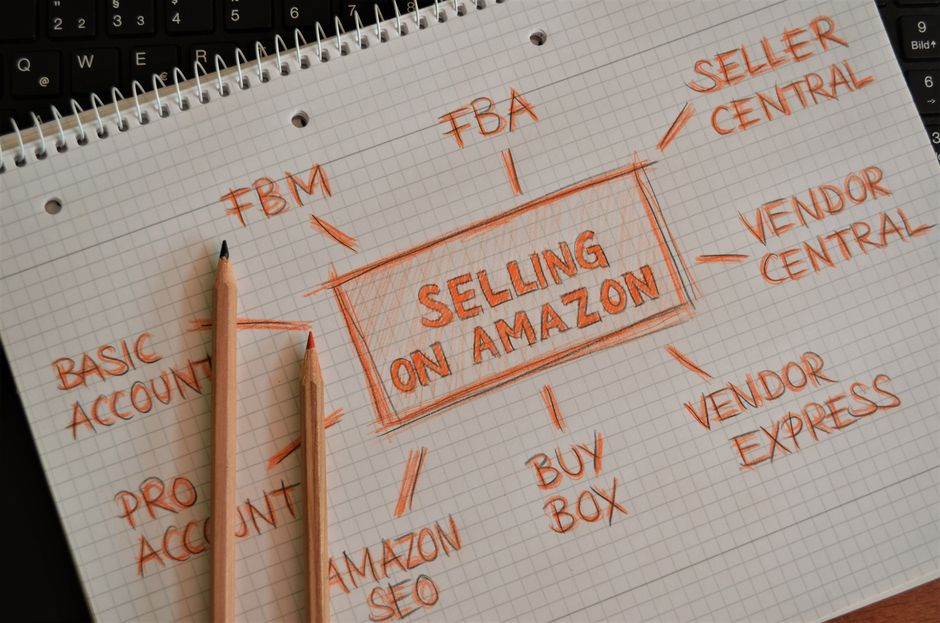
In the world of e-commerce, Amazon FBA (Fulfillment by Amazon) stands out as a promising opportunity, allowing entrepreneurs to leverage Amazon's vast distribution network and customer base. As an effective way to sell products online without the hassles of logistics management, understanding how to start and succeed with Amazon FBA is essential. This step-by-step guide will walk you through everything you need to know to set up and run a successful Amazon FBA business.
Understanding Amazon FBA
Before diving into the logistics of starting your Amazon FBA business, it’s important to grasp what Amazon FBA entails. Amazon FBA allows sellers to send their products to an Amazon warehouse, where Amazon takes care of storage, packaging, and shipping at a fee. This service frees you from the burdens of order fulfillment while offering customers reliable and efficient service.
Step 1: Product Research and Selection
The first and perhaps most crucial step in your Amazon FBA journey is choosing the right product to sell. Start by identifying a niche market with high demand but low competition. Use tools like Jungle Scout, Helium 10, or AMZScout to analyze market trends, estimate potential profits, and identify what competitors are doing right.
Selecting a product involves considering factors like size, weight, durability, and seasonality. Ideally, you want products with a steady demand, that are easy to source, and that meet Amazon’s quality standards. Avoid products with complex regulations or those needing extensive certifications.
Step 2: Sourcing a Reliable Supplier
Once you've decided on a product, the next step involves finding a reliable supplier to provide high-quality inventory. Alibaba is a common starting point for sourcing products, but consider visiting trade shows or contacting manufacturers directly for more options.
When selecting a supplier, consider their reputation, the quality of their products, and the flexibility of their production capabilities. Always request samples before committing to large orders and ensure clear communication regarding expectations, delivery schedules, and payment terms.
Step 3: Setting Up Your Amazon Seller Account
You’ll need an Amazon Seller account to start your FBA business. Decide between an Individual or Professional account based on your anticipated sales volume. Generally, a Professional account is more cost-effective if you plan to sell more than 40 items a month.
Register on the Amazon Seller Central platform by following the prompts. You’ll need a business email, credit card, government ID, tax information, phone number, and a business address to complete your registration.
Step 4: Creating Product Listings
Your product listing is the digital showroom for your potential buyers. Optimize it with compelling product titles, detailed descriptions, high-resolution images, and bullet points that highlight key product features and benefits. Prioritize using relevant keywords through Amazon’s search engine to improve visibility.
Quality and honesty in your product descriptions are vital. Misleading information can result in negative reviews that damage your brand reputation.
Step 5: Shipping Your Products to Amazon
Now that your products are ready to sell, it's time to send them to an Amazon fulfillment center. Generate shipment labels through your Seller Central account and follow Amazon’s guidelines on product preparation, packing, and labeling.
Use Amazon's partnered carriers for shipping discounts and track your shipment to ensure timely arrivals. Ensuring that products are adequately packaged and labeled can prevent delays and additional fees.
Conclusion: Launch and Optimize
With your products listed and available for purchase, it’s time to focus on marketing strategies and monitoring sales performance. Leverage Amazon’s PPC advertising to enhance product visibility and regularly analyze sales data to refine your strategies.
Your success in Amazon FBA hinges on persistent optimization—from improving product rankings through enhanced listings to responding to customer inquiries swiftly. Keep an eye on market trends and adapt to consumer needs to sustain and grow your Amazon FBA business over time. By following these steps diligently, you're well on your way to building a robust presence on one of the world's largest e-commerce platforms.
